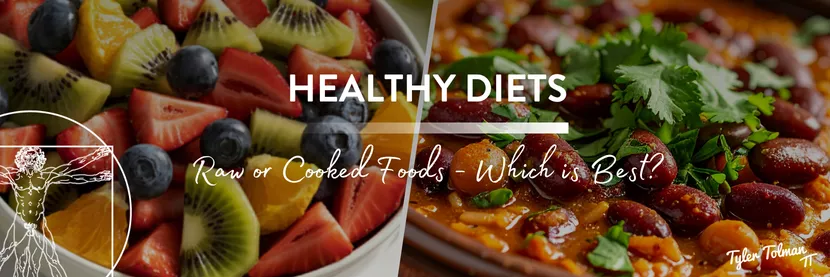
These days, most people recognise that natural, whole raw foods are far better than processed and refined ones for good health. But opinions really vary on whether an entirely raw food diet is the optimal choice. I definitely believe we should all eat mostly raw, but that a little cooked food occasionally can definitely complement a healthy diet.
Fresh Until Five
I could sum up my personal philosophy as “raw, fresh foods until five o’clock.” I eat only fresh fruits or very light easily digestible foods first thing in the morning because the body is in a detoxification process. Once lunch rolls around, I add denser foods like salads, wraps, and sandwiches on sprouted-grain breads. At dinner, I eat some cooked foods: steamed vegetables, a baked potato or hot soup (maybe along with a salad).
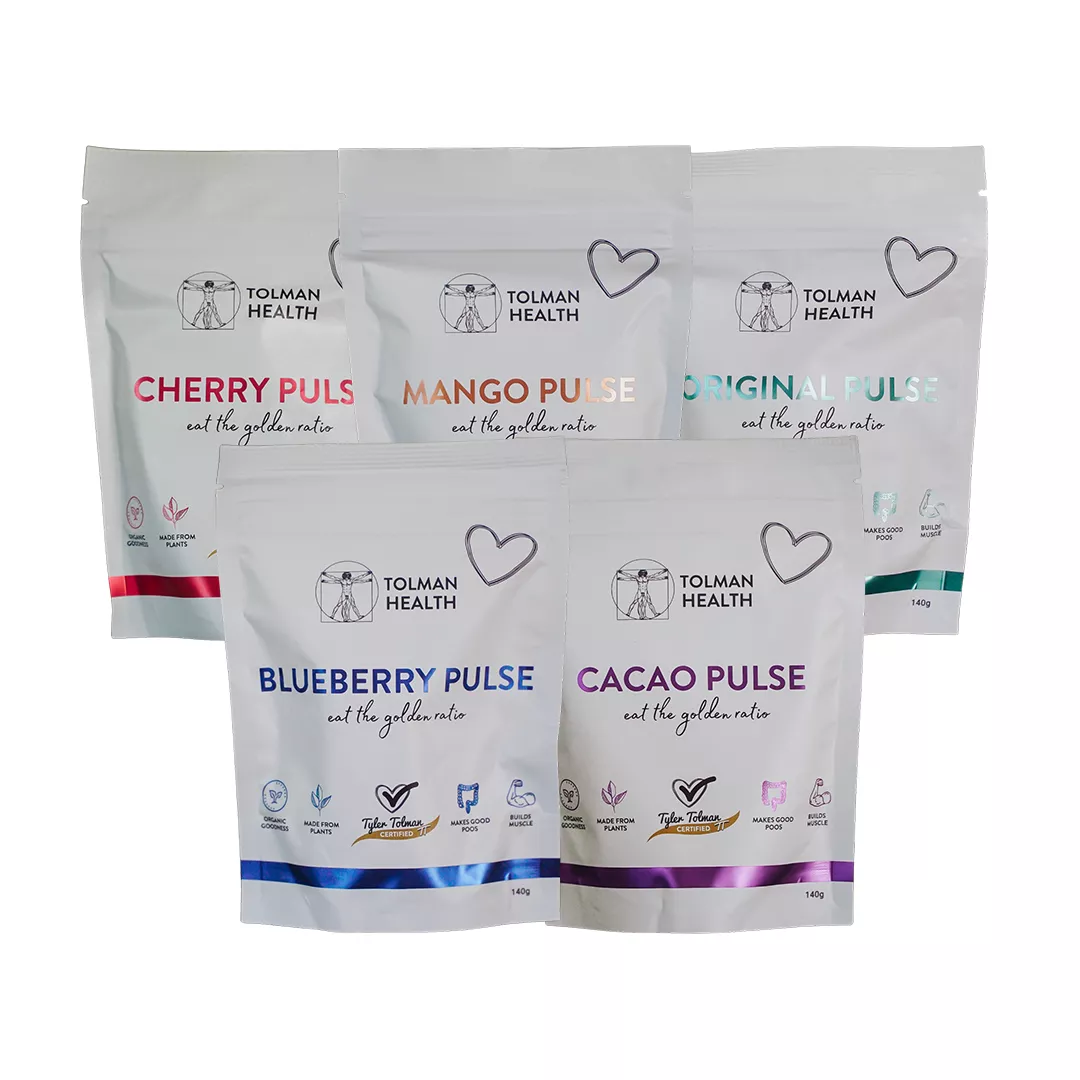
I also normally incorporate some Pulse too as a snack. Or when I’m doing a raw food cleanse, I will replace a whole meal with Pulse. I typically do 30 days of only raw once or twice a year. Afterwards, I always feel so great. It’s something I highly recommend everyone give a try. You’ll have so much energy, and the whites of your eyes will be brighter too! Incorporating Pulse into a raw cleanse is the easiest (and most delicious!) way to do a cleanse. Have a look now and give it a go! You’ll thank me for it later 😉
From my experience, I believe that a diet of 60–80 percent raw foods (optimally toward 80 percent) is healthiest way to eat. Then make up the remaining 20 percent with cooked natural, whole foods. I hope that helps establish a compromise in the raw vs. cooked controversy.
The Benefits of Raw Foods
The number one reason to eat mostly fresh, raw food is the life force in it. What do I mean by that? Well, humans are electrical beings constantly seeking a renewal of energy. Every time I take a deep breath, I’m getting electricity. Every time I get out in the sun, my skin is a solar panel absorbing electricity. And every time I start to chew, I stimulate electrical forces in my body, including the peristaltic action for digesting food.
When food is fresh, it has a higher level of electrical energy available to the body. This can even be shown through Kirlian photography, which is able to capture a visual image of the energy aura around living things. If you photograph raw foods like a fresh peach, strawberry or spinach leaf, you can actually see the electrical current coming off it. This energy is a major component of what we’re getting when we eat raw food – along with vitamins, minerals, fibre and other things we need.
Fresh, raw fruits and vegetables are also easier to digest because they contain their own digestive enzymes. These enzymes are killed whenever we heat food above 115 degrees Fahrenheit (46 degrees Celcius). This isn’t necessarily a problem. Our bodies can also produce digestive enzymes. But cooked food requires the digestive system to work harder (use more energy) to do the job.
That’s why I’m such a fan of Pulse because it has all the benefits of organic raw food. I’ve been enjoying it for many years! I haven’t found anything else that tastes as good and nourishes me with all the essential fats, amino acids and nutrients I need to THRIVE!
When and How to Cook
Sometimes cooking food can actually increase the bioavailability of some of the nutrients we need. For example, when you cook a tomato you increase the concentration of lycopene, a powerful antioxidant. When you cook carrots, you soften the cell walls, making the beta-carotene more easily assimilated as vitamin A.
The ancient Egyptians had a rule of thumb (or hand!) about when we should cook foods. They believed that if you could crush raw foods with your hands (things like oranges and apples) then you should eat it raw. If you couldn’t squeeze the juice out by hand (foods like carrots or broccoli) you should cook it to digest it properly.
Of course, some cooking methods are better than others to retain the nutrition in foods. Steaming and baking are better than frying in oil. Some oils actually become toxic and release free radicals under high heat. (If you want to lightly stir-fry vegetables, use olive or coconut oil.) Legumes like beans and lentils can be soaked for a day or two and then rinsed and cooked in just 10–15 minutes once they’re softened. They’ve been prepared this way for thousands of years as an amazing, balanced source of protein, carbohydrates and other nutrients.
Finding the Balance
At the end of the day, it’s not about choosing one side over the other. It’s about understanding how different foods support the body and finding a rhythm that feels good and works for you in real life. Keep things fresh where it makes sense, bring in cooked foods where they serve you, and let that balance evolve naturally over time.